Hi all,
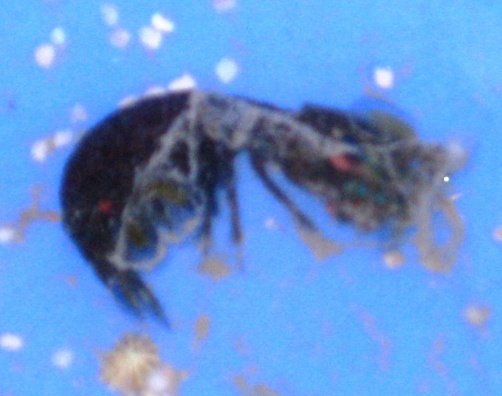
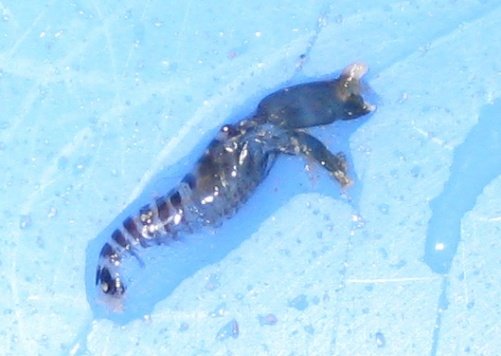
We think we have a mantis shrimp. We hear clicking. Lots of clicking. And something ate my spotted manderin fish .
.
So far, that's all we've lost in terms of fish and inverts. We do have lots and lots of little snails, so hard to determine if we've lost any of those.
I've spent many an hour standing in the middle of the night in the dark, peering into the tank with a torch with red cellophane over it, trying to locate the rock that he lives in. I've seen loads of little crabs, and many a time thought I caught him but it was my peppermint shrimp or a crab. So far, though, it has evaded me.
I find that the mantis will click a lot when we walk near the tank, which I've heard is common with mantis shrimps.
Soo... I'm looking for some clues on how to locate him?
Other tank inhabitants are naso tang, yellow tang, powder blue tang, 5 blue/green chromis, 1 B/W clown, 1 flame angel, 1 cleaner shrimp and 1 peppermint shrimp.
Any clues or ideas? We'd just like to move him to the sump away from the fish.
Many thanks,
Vox
We think we have a mantis shrimp. We hear clicking. Lots of clicking. And something ate my spotted manderin fish
.So far, that's all we've lost in terms of fish and inverts. We do have lots and lots of little snails, so hard to determine if we've lost any of those.
I've spent many an hour standing in the middle of the night in the dark, peering into the tank with a torch with red cellophane over it, trying to locate the rock that he lives in. I've seen loads of little crabs, and many a time thought I caught him but it was my peppermint shrimp or a crab. So far, though, it has evaded me.
I find that the mantis will click a lot when we walk near the tank, which I've heard is common with mantis shrimps.
Soo... I'm looking for some clues on how to locate him?
Other tank inhabitants are naso tang, yellow tang, powder blue tang, 5 blue/green chromis, 1 B/W clown, 1 flame angel, 1 cleaner shrimp and 1 peppermint shrimp.
Any clues or ideas? We'd just like to move him to the sump away from the fish.
Many thanks,
Vox